这一打击针对总统的标志性经济政策之一——他称其对美国经济”生死攸关”
最高法院周五以6比3的裁决推翻了唐纳德·特朗普总统利用紧急状态法单方面对大多数美国贸易伙伴实施全面关税的决定,给这位总统在一个核心经济政策案件中带来重大打击。特朗普将这一政策描述为美国经济的”生死攸关”问题。
最高法院在一项6-3的裁决中宣布特朗普的关税无效。克拉伦斯·托马斯大法官、塞缪尔·阿利托大法官和布雷特·卡瓦诺大法官表示异议。
首席大法官约翰·罗伯茨在多数意见中写道:”制宪者将这项权力’完全赋予国会’——尽管关税具有明显的外交事务影响。” “无论其他涉及外交事务的权力如何,我们不会期望国会通过模糊的语言或不加仔细限制地放弃其关税权力。”
最高法院于11月听取了此案的口头辩论,案件围绕特朗普利用《国际紧急经济权力法》(IEEPA)对包括10%全球关税和一系列针对特定国家的更高”互惠”关税在内的大多数国家实施其”解放日”关税展开。
战场州承担特朗普关税负担,中期选举信息强化
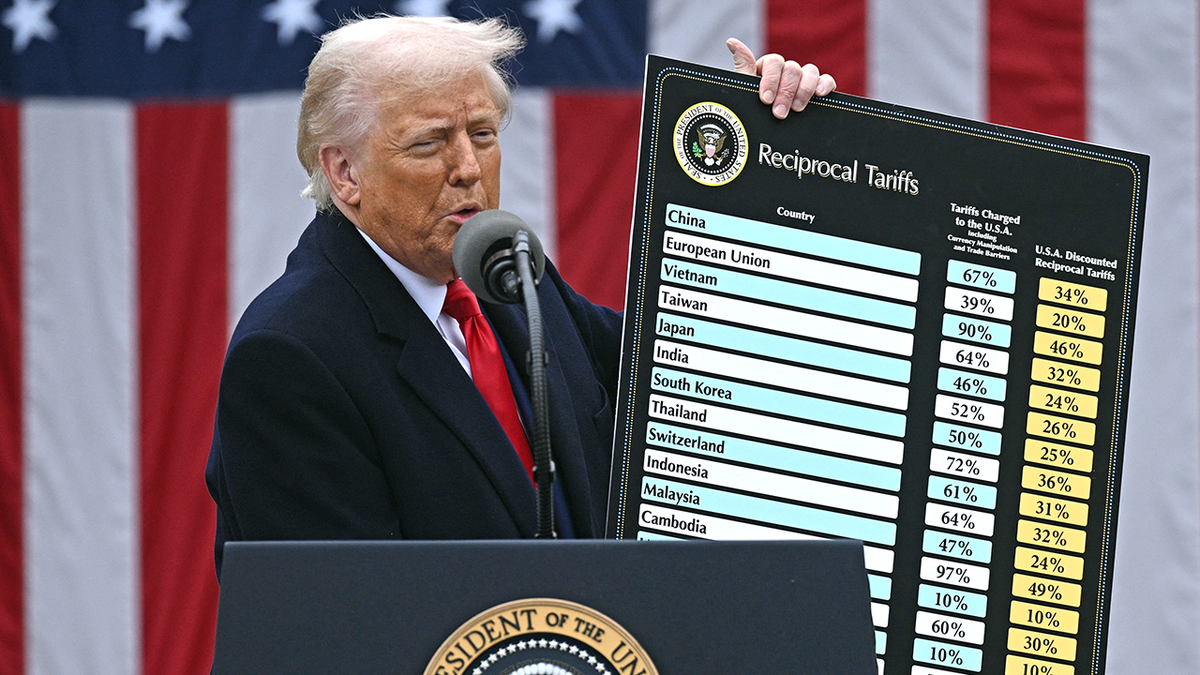
2025年4月2日,华盛顿特区白宫,唐纳德·特朗普总统在发表关于互惠关税的讲话时手持图表。(BRENDAN SMIALOWSKI/AFP via Getty Images)
今年4月,特朗普宣布美国贸易逆差为”国家紧急状态”,政府律师援引这一宣布作为援引《国际紧急经济权力法》的法律依据,该法允许总统在宣布国家紧急状态时应对”异常和紧急威胁”。
高等法院去年秋天同意审理此案,此前包括美国国际贸易法院(CIT)和联邦巡回上诉法院在内的下级法院均阻止了特朗普试图利用《国际紧急经济权力法》实施进口关税的尝试。
下级法院要求司法部解释,为何特朗普在国会已制定更具体针对关税的法律(包括将关税限制在特定水平或设定需国会审查的期限)的情况下,仍援引《国际紧急经济权力法》。
该法律授权总统在宣布国家紧急状态期间”规范…进口”,但未提及”关税”一词——这一遗漏成为11月最高法院数小时辩论的核心。
在11月的口头辩论中,大法官们向政府律师询问《国际紧急经济权力法》是否适用于关税或税收权力,以及如果最高法院支持特朗普,将设置哪些限制措施。
特朗普谴责法院的”政治性”关税裁决,呼吁最高法院迅速行动
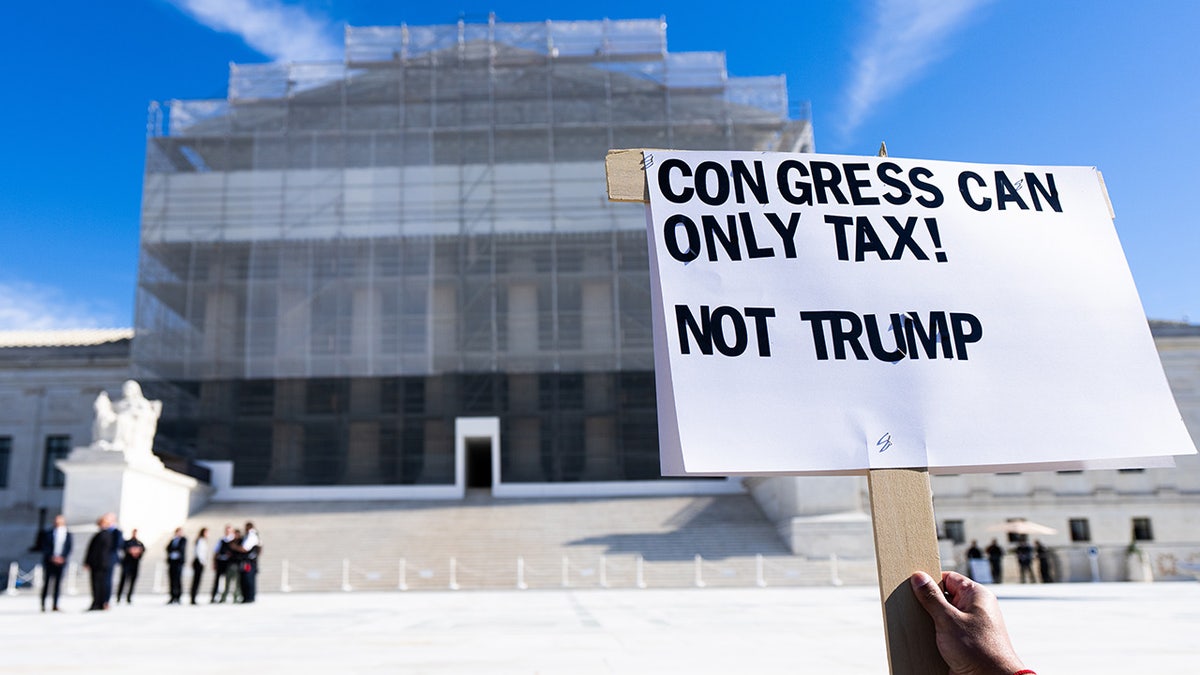
2025年11月5日星期三,美国最高法院听取特朗普关税案件辩论时,一名抗议者举着标语。(Bill Clark/CQ-Roll Call, Inc via Getty Images)
在辩论中,政府律师告诉大法官们,《国际紧急经济权力法》允许总统”规范”商品的”进口”,他们称这实际上等同于关税。
但包括特朗普任命的保守派大法官在内的大法官们表示怀疑,追问政府是否有”任何其他实例,一项法律使用这种语言来授予特朗普所寻求的权力”。
其他保守派大法官质疑,根据该法律,总统是否可以使用关税的”经济等效措施”——如制裁、禁运、许可证和配额。
特朗普政府律师在下级法院辩称,《国际紧急经济权力法》允许总统在应对”异常和紧急威胁”以及宣布国家紧急状态时采取行动。
特朗普关税计划前途未卜,法院斗争加剧

美国最高法院大楼。(Nicolas Economou/NurPhoto via Getty Images)
特朗普声称,持续的”深度贸易逆差”构成了国家紧急状态,足以触发其根据紧急状态法享有的行政权力。
司法部敦促最高法院允许关税继续实施,警告称拒绝特朗普根据《国际紧急经济权力法》享有的关税权力”将使我们国家面临贸易报复而无有效防御”。
原告反驳称,该法律通过50年来从未被总统用来实施关税。他们还指出,根据政府自己的说法,特朗普引用的贸易逆差已经持续了近50年——这一事实削弱了他所谓存在”异常和紧急”贸易紧急状态的说法。
他们认为,授权特朗普继续使用《国际紧急经济权力法》实施普遍关税将大幅扩大行政权力,损害其他政府部门的权力。
今年早些时候,美国国际贸易法院三名法官组成的小组一致投票阻止特朗普关税生效,裁定作为总司令,特朗普无权根据紧急状态法无限制地实施关税。联邦巡回上诉法院也驳回了政府对《国际紧急经济权力法》的使用。
请阅读以下完整裁决。应用程序用户点击此处。
布雷安妮·德皮施是福克斯新闻数字频道的国家政治记者,报道特朗普政府,重点关注司法部、联邦调查局和其他国家新闻。她曾在《华盛顿观察家报》和《华盛顿邮报》报道国家政治,还为《政治杂志》、《科罗拉多公报》等媒体撰稿。您可以通过Breanne.Deppisch@fox.com向她提供线索,或在X平台上关注她@breanne_dep。
The Supreme Court on Friday blocked President Donald Trump’s use of an emergency law to unilaterally impose sweeping tariffs on most U.S. trading partners, delivering a blow to the president in a case centered on one of his signature economic policies — one he characterized as “life or death” for the U.S. economy.
In a 6-3 decision, the justices invalidated Trump’s tariffs. Justices Clarence Thomas, Samuel Alito and Brett Kavanaugh dissented.
“The Framers gave that power to ‘Congress alone’—notwithstanding the obvious foreign affairs implications of tariffs,” Chief Justice John Roberts wrote for the majority. “And whatever may be said of other powers that implicate foreign affairs, we would not expect Congress to relinquish its tariff power through vague language, or without careful limits.”
The Supreme Court heard oral arguments in November in the case, which centered on Trump’s use of the International Emergency Economic Powers Act (IEEPA) to enact his “Liberation Day” tariffs on most countries, including a 10% global tariff and a set of higher, so-called “reciprocal” tariffs on certain nations.
BATTLEGROND STATES SHOULDER BURDEN OF TRUMP’S TARIFFS AS MIDTERM MESSAGING RAMPS UP
President Donald Trump holds a chart as he delivers remarks on reciprocal tariffs at the White House in Washington, D.C., on April 2, 2025.(BRENDAN SMIALOWSKI/AFP via Getty Images)
In April, Trump declared the U.S. trade deficit a “national emergency,” and lawyers for the administration have cited that declaration as the legal basis for invoking IEEPA, which allows the president to respond to “unusual and extraordinary threats” when a national emergency has been declared.
The high court agreed to take up the case last fall after lower courts, including the U.S. Court of International Trade (CIT) and the U.S. Court of Appeals for the Federal Circuit, blocked Trump’s attempt to use IEEPA to enact import duties.
Lower courts pressed the Justice Department to explain why Trump invoked IEEPA when other, more narrowly tailored statutes enacted by Congress more specifically address tariffs — including laws that cap tariffs at certain levels or set timeframes subject to congressional review.
The law authorizes the president to “regulate … importation” during a declared national emergency, but it does not mention the word “tariffs” — an omission that was at the heart of the hours-long arguments before the high court in November.
During oral arguments in November, justices pressed administration lawyers on whether IEEPA applies to tariffs or taxation powers and what guardrails — if any — would limit the executive branch should the high court rule in Trump’s favor.
TRUMP DENOUNCES COURT’S ‘POLITICAL’ TARIFF DECISION, CALLS ON SUPREME COURT TO ACT QUICKLY
A protester holds a sign as the U.S. Supreme Court hears arguments on President Trump’s tariffs on Wednesday, Nov. 5, 2025.(Bill Clark/CQ-Roll Call, Inc via Getty Images)
In arguments, lawyers for the administration told justices that IEEPA allows a president to “regulate” “importation” of goods, which they said is the practical equivalent of a tariff.
But justices, including Trump’s conservative appointees, appeared skeptical, pressing the administration on whether there has “ever been another instance in which a statute has used that language to confer the power” Trump seeks.
Other conservative justices questioned whether an “economic equivalent” to tariffs — such as sanctions, embargoes, licenses and quotas — could be used by the president under the law.
Lawyers for the Trump administration have argued in lower courts that the IEEPA allows a president to act in response to “unusual and extraordinary threats” and in cases where a national emergency has been declared.
TRUMP TARIFF PLAN FACES UNCERTAIN FUTURE AS COURT BATTLES INTENSIFY
The U.S. Supreme Court building is pictured.(Nicolas Economou/NurPhoto via Getty Images)
Trump has claimed that deep and “sustained” trade deficits amount to a national emergency that is sufficient to trigger his executive powers under the emergency law.
The Justice Department urged the Supreme Court to allow the tariffs to remain in place, warning that denying Trump the tariff authority under IEEPA “would expose our nation to trade retaliation without effective defenses.”
Plaintiffs countered that in the 50 years since its passage, the law has never been used by a president to impose tariffs. They also argued that, by the administration’s own admission, the trade deficit cited by Trump has persisted for nearly 50 years — a fact they said undermines his claim that there is an “unusual and extraordinary” trade emergency.
They argued that authorizing Trump’s use of IEEPA to continue his universal tariffs would drastically expand executive power at the expense of the other branches of government.
Judges on a three-judge panel for the U.S. Court of International Trade voted unanimously earlier this year to block Trump’s tariffs from taking effect, ruling that as commander in chief, Trump does not have “unbounded authority” to impose tariffs under the emergency law. The U.S. Court of Appeals for the Federal Circuit also rejected the administration’s use of IEEPA.
Read the full decision below. App users click here.
Breanne Deppisch is a national politics reporter for Fox News Digital covering the Trump administration, with a focus on the Justice Department, FBI and other national news. She previously covered national politics at the Washington Examiner and The Washington Post, with additional bylines in Politico Magazine, the Colorado Gazette and others. You can send tips to Breanne at Breanne.Deppisch@fox.com, or follow her on X at @breanne_dep.
发表回复