福克斯新闻独家报道: 一份新报告再次引发人们对数十亿美元联邦交通支出是否取得成效的质疑,尽管资金规模已创历史新高,公交和铁路通勤量却仍低于疫情前水平。
由“释放繁荣委员会”(Committee to Unleash Prosperity)发布的这份分析报告认为,这种脱节反映了联邦交通资金分配方式存在结构性缺陷——特别是随着远程办公重塑通勤模式以及预算压力加剧。
该组织高级研究员、报告作者温德尔·考克斯(Wendell Cox)追溯了联邦交通项目的起源,指出其始于20世纪60年代,当时旨在扩大低收入居民的出行机会,减少交通拥堵和空气污染。
[美铁公司大规模更新车队:新增80多列火车,旅客反应如何]

自新冠疫情以来,使用公共交通的通勤者减少。(Michael Nagle/Bloomberg/Getty Images)
报告指出,自那时起,联邦支持力度稳步增长,但公共交通的通勤占比却呈相反趋势。
考克斯告诉福克斯新闻数字频道:“美国公共交通的通勤市场份额已从1960年的12%降至2024年的不足4%。”
根据考克斯对联邦数据的分析,如今约有3.8%的美国劳动者——约每25人中就有1人——通过公共交通通勤。相比之下,现在远程办公的美国人数量是这一比例的三倍。
报告还指出,尽管公共交通使用量略有下降,但开车上班的美国人比1960年多了8800万,远程工作者数量也增加了1700万。
[肖恩·达菲:这场交通危机本可预见]
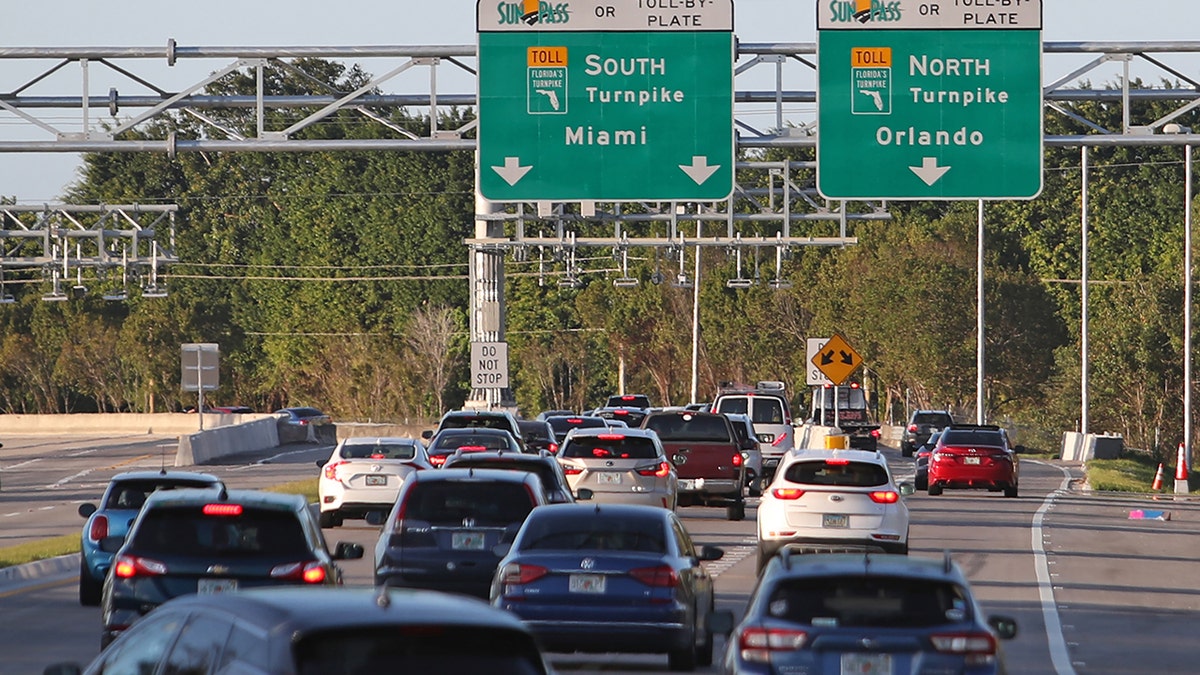
如今开车上班的美国人比1960年多了约8800万。(John McCall/South Florida Sun Sentinel/Tribune News Service via Getty Images)
考克斯认为,公共交通在速度和可达性方面难以与汽车竞争。“一般来说,公共交通的通勤时间比开车更长,”他表示。平均单程驾车通勤时间约为26分钟,而公共交通需要48分钟。

报告还强调了就业机会可达性的差异。
研究人员调查了人们在30分钟通勤时间内能够到达的工作场所数量。由于汽车提供直达门到门的出行方式,司机通常能比公交乘客到达更多的工作地点,后者的行程可能涉及步行到车站、等待和换乘。
报告发现,在全美50个最大的大都市区中,人们开车能到达的工作岗位数量是乘坐公共交通的58倍——这一差距即使在拥有全国最广泛公共交通网络的纽约也依然存在。
[点击此处下载福克斯新闻应用程序]
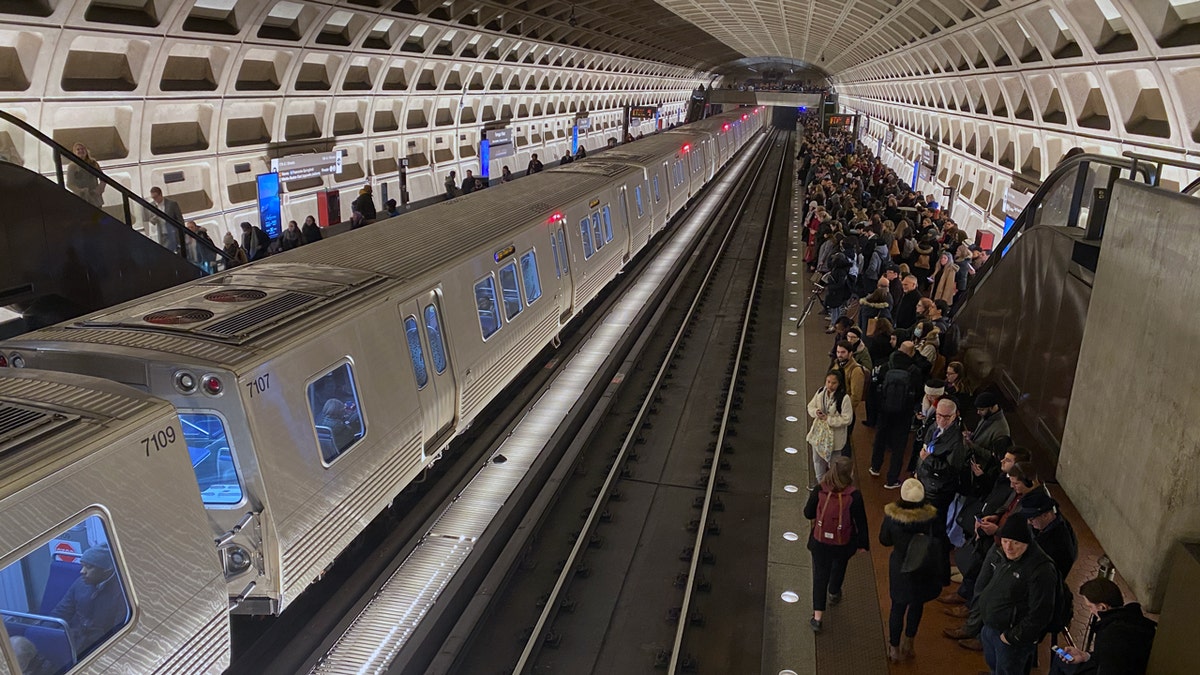
一份新报告称,乘坐公共交通通勤比开车通勤更慢。(Daniel Slim/AFP/Getty Images)
考克斯在报告中写道,这些发现凸显了他认为需要对联邦交通政策进行更广泛重新评估的必要性。
鉴于联邦债务处于历史高位,且远程办公正在重塑美国人的通勤方式,考克斯认为,现在可能是时候重新思考华盛顿如何为公共交通提供资金了。他认为,问题不在于公共交通是否有存在的必要,而在于联邦支出是否与美国人如今实际的出行方式相匹配。
阅读完整报告:
FIRST ON FOX: A new report is raising fresh questions about whether billions in federal transit spending are delivering results, as funding climbs to record highs while bus and rail commuting remains below pre-pandemic levels.
Released by the Committee to Unleash Prosperity, the analysis argues the disconnect reflects structural flaws in how federal transit dollars are allocated — particularly as remote work reshapes commuting patterns and budget pressures intensify.
Wendell Cox, a senior fellow with the group and the report’s author, traces the federal transit program to its 1960s origins, when it was intended to expand mobility for low-income residents and reduce traffic congestion and air pollution.
[AMTRAK ADDING OVER 80 NEW TRAINS IN MASSIVE OVERHAUL OF FLEET; TRAVELERS REACT]
There have been less commuters using public transportation since the Covid-19 pandemic.(Michael Nagle/Bloomberg/Getty Images)
Since then, federal support has grown steadily — but transit’s commuter share has moved in the opposite direction, according to the report.
“Transit’s commute market share in the U.S. has dropped from 12% in 1960 to under 4% in 2024,” Cox told Fox News Digital.
Today, roughly 3.8% of American workers — about one in 25 — commute by mass transit, according to Cox’s analysis of federal data. By comparison, three times as many Americans now work from home.
While transit use has edged down, 88 million more Americans drive to work than in 1960, the report notes, alongside a 17 million increase in remote workers.
[SEAN DUFFY: THIS TRANSPORTATION CRISIS WAS FORESEEABLE]
Roughly 88 million more Americans commute to work by car today than they did in 1960.(John McCall/South Florida Sun Sentinel/Tribune News Service via Getty Images)
Cox argues transit struggles to compete with the automobile on speed and access. “Generally, transit travel times are slower than commuting by car,” he said. The average one-way commute is about 26 minutes by car, compared with 48 minutes by transit.
The report also highlights disparities in job access.
Researchers examined how many workplaces a person could physically reach in a 30-minute commute. Because cars offer direct, door-to-door travel, drivers can typically access far more job locations than transit riders, whose trips may involve walking to stops, waiting, and making transfers.
Across the nation’s 50 largest metropolitan areas, workers can reach 58 times as many jobs by car as by transit, the report finds — a gap that persists even in New York, which has the country’s most extensive public transport network.
[CLICK HERE TO DOWNLOAD THE FOX NEWS APP]
A new report argues that commuting by public transport is slower than commuting by car.(Daniel Slim/AFP/Getty Images)
Those findings, Cox writes, underscore what he sees as a need for a broader reassessment of federal transit policy.
With federal debt at historic highs and remote work reshaping how Americans commute, Cox argues it may be time to rethink how Washington funds public transit. The question, he suggests, is not whether public transport has a role — but whether federal spending is aligned with how Americans actually travel today.
Read the full report:
发表回复