但这一裁决可能并非最终定论。从《贸易扩张法》到1974年《贸易法》,甚至大萧条时期的法规,仍有多种法律途径可能让特朗普重新确立其激进的贸易权力。
在由乔治·W·布什任命的首席大法官约翰·罗伯茨主导的6-3裁决中,法院裁定”制宪者将[关税]权力单独赋予国会,尽管关税明显具有外交事务影响。”
乔治·H·W·布什任命的大法官克拉伦斯·托马斯、特朗普任命的大法官布雷特·卡瓦诺和乔治·W·布什任命的大法官塞缪尔·阿利托表示异议。
最高法院准备审理关于特朗普行政权力和关税权的重大案件
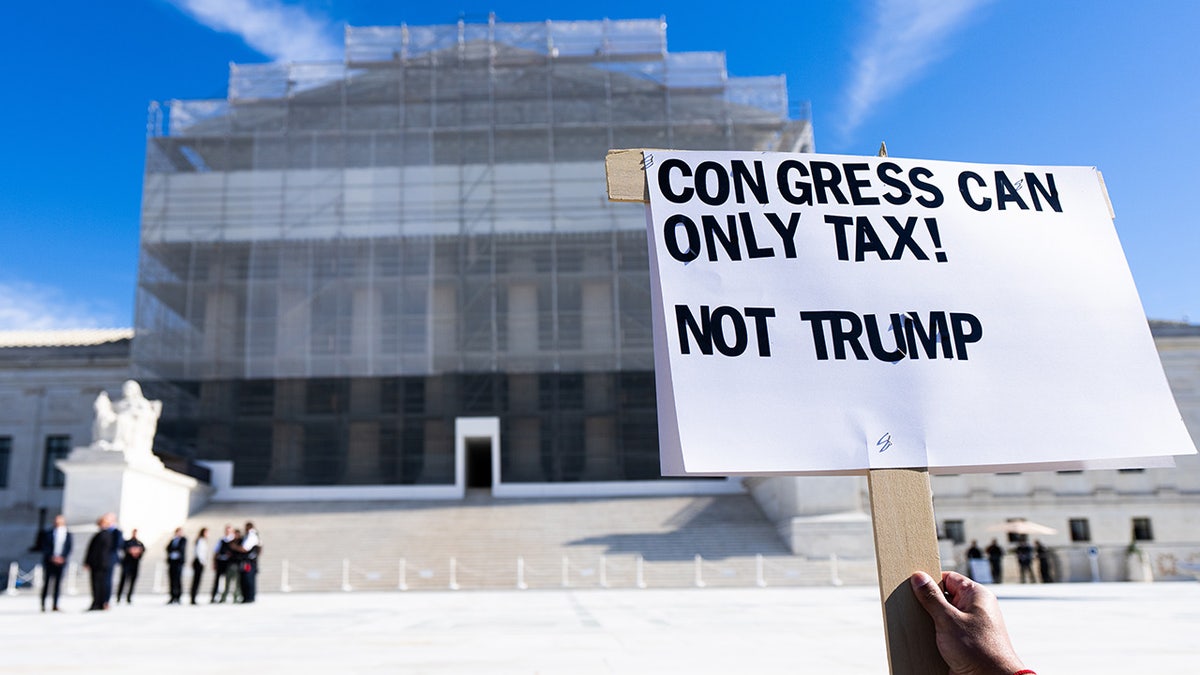
一名抗议者举着标语牌,美国最高法院于2025年11月5日审理特朗普关税案。(Bill Clark/CQ-Roll Call, Inc via Getty Images)
2025年”解放日”当天,特朗普援引由前众议员、纽约州民主党人乔纳森·布鲁斯特-宾厄姆起草的《国际紧急经济权力法》(IEEPA),宣布存在外国”剥削”美国的紧急状况。
既然IEEPA途径已被罗伯茨关闭,特朗普可能尝试以同样的国家安全理由援引1962年《贸易扩张法》。该法部分规定允许商务部对”以威胁或损害国家安全的数量或条件进口的商品”征收关税。
与IEEPA不同,肯尼迪时代的该法律已在法院得到检验。商务部长霍华德·卢特尼克在其前任威尔伯·罗斯2018年依据该法对钢铁和铝征收关税的基础上,又以”衍生产品”为由将407种更多进口商品纳入关税清单。
特朗普自己的最高法院人选可能在关税问题上反害其自身

唐纳德·特朗普总统展示非互惠关税示例。(Mandel Ngan/Getty Images)
在2025年的确认听证会上,卢特尼克表示支持”逐国宏观”关税策略,并认同总统关于”美国在全球贸易环境中遭受严重不公对待”的观点。
尽管依据《贸易扩张法》第232条实施的关税不会立即生效,且要求商务部开展正式调查,但该法律为总统提供了经过法院检验的途径。
周五裁决后,肯塔基州共和党议员兰德·保罗等人称赞法院确认特朗普不能”以紧急权力征税”,但国会此前已批准另一种关税实施途径。
俄勒冈州民主党人阿尔伯特·乌尔曼众议员起草的法案经杰拉尔德·福特总统签署,即1974年《贸易法》,明确扩大了总统的关税实施权。
今年9月,联邦上诉法院驳回了数千家公司对依据《贸易法》第301条对中国征收关税的质疑。
6名共和党众议员在民主党推动的投票中违抗特朗普关键议程项目
图片 美国贸易代表、特朗普任命的杰米森·格里尔可能根据《全球政策观察》向存在不公平贸易壁垒的国家寻求报复性关税。
随后将开展包括与目标国家谈判在内的调查,如果调查发现美国被剥夺贸易协定利益或协定不合理,格里尔最终可能被授权实施贸易限制。
但据报道,在大多数情况下,实施的关税将在四年后自动到期。
对特朗普有利的是,有人可能认为罗伯茨推翻IEEPA授权的推理逻辑可能对关税反对者产生反效果,因为1974年法律明确赋予行政部门贸易限制权。
福特签署的法律另一部分也可用于单方面实施关税。
该法律的第122条,即”国际收支”部分,允许特朗普在特定情况下临时实施15%的关税或进口配额,期限150天,针对被认定”维持不合理或不合理限制美国商业”的国家。
“该授权旨在让行政部门能够快速应对可能损害美国经济利益的贸易行为,或纠正重大国际收支逆差,”贸易协会在6月的报告中表示。
然而,有报道称第122条尚未在法院接受广泛检验,可能引发诉讼和法律不确定性。
最高法院就特朗普关税案裁决:行政部门权力重大考验
特朗普的另一潜在政策选择是赫伯特·胡佛总统在大萧条初期不顾经济学家反对签署的法案——1930年《斯穆特-霍利关税法》。
该法以犹他州共和党参议员里德·斯穆特和俄勒冈州众议员威利斯·霍利命名,对数万种进口商品征收关税,旨在保护面临经济困境的美国生产商。
霍利的曾孙女、巴尔的摩的凯里·塞萨尔在2025年告诉美国全国广播公司新闻,由于其祖先的名字重新出现在公众讨论中,她投票支持卡玛拉·哈里斯并反对特朗普的关税。
其他批评《斯穆特-霍利关税法》的人士认为,这是大萧条加剧和扩大的关键原因。
然而,该法律仍为商务部提供了判断商品是否”倾销”美国消费者或外国是否不公平补贴出口至美国的机制,并可据此征收关税。
此外,虽然特朗普主要采取逐国关税策略,《斯穆特-霍利关税法》要求按产品类别征收关税。
贝森特警告:若最高法院剥夺特朗普紧急关税权,将造成”巨大损失”
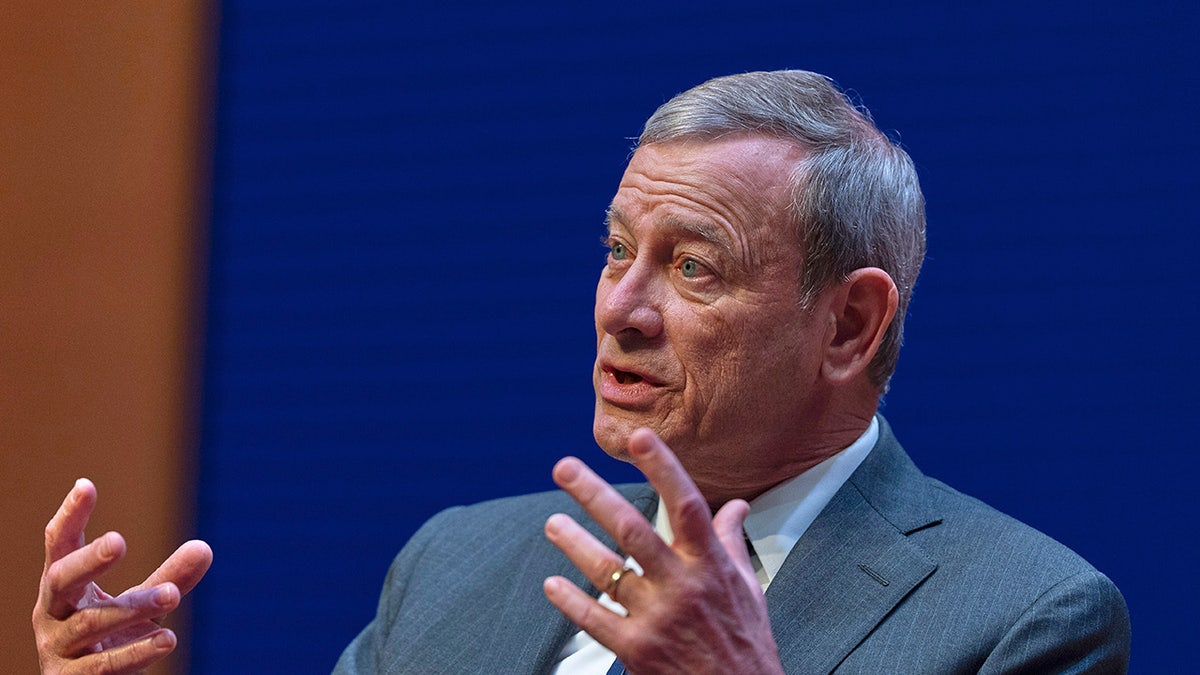
美国最高法院首席大法官约翰·罗伯茨于2025年5月12日在华盛顿乔治城法学院2025届毕业典礼上发表演讲。(AP Photo/Manuel Balce Ceneta, File)
特朗普难以触及的第五条法律途径是1922年《福德尼-麦坎伯关税法》。
北达科他州共和党参议员波特·麦坎伯和密歇根州共和党众议员约瑟夫·福德尼推动的法案允许总统沃伦·哈定实施远高于当时标准的关税,以保护一战后美国农民收入大幅下降的状况。
作为最早当代对保护主义的批评之一,《福德尼-麦坎伯关税法》因允许对包括盟友在内的国家征收高达50%的关税而受到批评,反对者称这产生了损害美国战争债务偿还能力的意外后果。
该法最终被《斯穆特-霍利关税法》取代,根据富兰克林·罗斯福签署的《互惠贸易协定法》,其剩余条款在当代已被视为过时。
《互惠贸易协定法》将关税权从国会转移给总统,授权当时的双边谈判以降低关税。
这种常被称为”互惠”的动态在特朗普时代被用于提高而非降低关税。
查尔斯·克里茨是福克斯新闻数字版记者。2013年加入福克斯新闻,担任撰稿人和制作助理。他报道媒体、政治和文化新闻。克里茨是宾夕法尼亚州人,毕业于天普大学,获广播新闻学士学位。新闻线索可发送至charles.creitz@fox.com。
The Supreme Court rebuked President Trump’s use of the International Emergency Economic Powers Act to impose sweeping “Liberation Day” tariffs, ruling that the Constitution gives Congress — not the president — authority over tariffs.
But the decision may not be the final word. From the Trade Expansion Act to the Trade Act of 1974 and even Depression-era statutes, multiple legal avenues remain that could allow Trump to reassert aggressive trade powers.
In a 6-3 decision led by George W. Bush-appointed Chief Justice John Roberts, the court ruled that the “framers gave [tariff] power to Congress alone, notwithstanding the obvious foreign affairs implications of tariffs.”
George H.W. Bush-appointed Justice Clarence Thomas, Trump-appointed Justice Brett Kavanaugh and George W. Bush-appointed Justice Samuel Alito dissented.
SUPREME COURT PREPARES TO CONFRONT MONUMENTAL CASE OVER TRUMP EXECUTIVE POWER AND TARIFF AUTHORITY
A protester holds a sign as the U.S. Supreme Court hears arguments on President Trump’s tariffs on Wednesday, November 5, 2025.(Bill Clark/CQ-Roll Call, Inc via Getty Images)
On “Liberation Day” in 2025, Trump cited the International Emergency Economic Powers Act (IEEPA), drafted by former Rep. Jonathan Brewster-Bingham, D-N.Y., to declare an emergency situation in which foreign countries were “ripping off” the U.S.
With that avenue now closed by Roberts, Trump could try to use the same national security rationale to invoke the Trade Expansion Act of 1962, which in part allows the Commerce Department to impose tariffs on “article[s]… imported… in such quantities or under such circumstances as to threaten or impair the national security.”
Unlike the IEEPA, the JFK-era law has been tested in the courts, and Commerce Secretary Howard Lutnick has since built on his predecessor Wilbur Ross’ 2018 steel and aluminum tariffs imposed under the act, adding 407 more imports to the tariff list on the grounds that they are “derivative” of the two approved metals.
TRUMP’S OWN SCOTUS PICKS COULD WIND UP HURTING HIM ON TARIFFS
President Donald Trump shows off non-reciprocal tariff examples.(Mandel Ngan/Getty Images)
During his 2025 confirmation hearing, Lutnick voiced support for a “country by country, macro” approach to tariffs and agreed with the president that the U.S. is “treated horribly by the global trading environment.”
While tariffs imposed under Section 232 of the Trade Expansion Act are not immediate and require the Commerce Department to conduct a formal investigation, the law provides a court-tested avenue for the president.
In the wake of Friday’s ruling, Sen. Rand Paul, R-Ky., and others celebrated the court’s affirmation that Trump cannot use “emergency powers to enact taxes,” but Congress has previously approved another avenue to impose tariffs.
Then-Rep. Albert Ullman, D-Ore., crafted a bill signed by President Gerald Ford that expressly gave presidents broader authority to impose tariffs: the Trade Act of 1974.
A federal appeals court in September ruled against thousands of companies that challenged tariffs on China imposed under Section 301 of the Trade Act.
6 HOUSE REPUBLICANS DEFY TRUMP ON KEY AGENDA ITEM IN DEM-PUSHED VOTE
 Video
VideoIn this case, U.S. Trade Representative Jamieson Greer, a Trump appointee, could seek retaliatory tariffs against countries with unfair trade barriers, according to Global Policy Watch.
An investigation, including negotiations with the targeted countries, would then ensue, and Greer could ultimately be cleared to impose trade restrictions if the probe finds that the U.S. is being denied trade agreement benefits or that such a deal is unjustifiable.
However, in most cases, imposed tariffs sunset after four years, according to reports.
In Trump’s favor, it could be argued that the same reasoning Roberts used to strike down the IEEPA authority could backfire on tariff opponents because the 1974 law explicitly gives the executive branch trade-restriction authority.
Another section of the Ford-signed law could also be used to unilaterally impose tariffs.
Section 122, the “Balance of Payments” portion of the law, allows Trump to temporarily enforce tariffs or import quotas in certain situations.
A president may impose tariff duties of up to 15% for 150 days against all or certain countries if they are found to be “maintain[ing] unjustifiable or unreasonable restrictions on U.S. commerce,” according to the Retail Industry Leaders Association.
“This authority is intended to give the executive branch flexibility to respond quickly to trade practices that may harm U.S. economic interests or to correct significant balance-of-payments deficits,” the trade group said in a June report.
However, reports show Section 122 has not been tested in court as extensively, which could lead to lawsuits and legal uncertainty.
SUPREME COURT RULES ON TRUMP TARIFFS IN MAJOR TEST OF EXECUTIVE BRANCH POWERS
Another potential policy option for Trump is one that drew sharp criticism when President Herbert Hoover signed it against the advice of economists early in the Great Depression.
The Smoot-Hawley Tariff Act of 1930, named for Republican Sen. Reed Smoot of Utah and Rep. Willis Hawley of Oregon, imposed tariffs on tens of thousands of imports in hopes of protecting American producers facing dire economic conditions.
Hawley’s great-granddaughter, Carey Cezar of Baltimore, told NBC News in 2025 that she voted for Kamala Harris and opposed Trump’s tariffs after her ancestor’s name resurfaced in public discourse.
Other critics of Smoot-Hawley say it is a key reason the Depression was so dire and expansive.
However, the law still provides a mechanism for the Commerce Department to determine when a good is being “dumped” on U.S. consumers or whether a foreign country is unfairly subsidizing an export to the U.S., and to respond with tariffs.
Additionally, while Trump has imposed tariffs largely on a country-by-country basis, Smoot-Hawley requires that levies be applied on a product-by-product basis.
BESSENT WARNS OF ‘GIGANTIC LOSS’ IF SUPREME COURT STRIPS TRUMP’S EMERGENCY TARIFF POWERS
Chief Justice of the U.S. Supreme Court John Roberts speaks during a lecture to the Georgetown Law School graduating class of 2025, in Washington, May 12, 2025.(AP Photo/Manuel Balce Ceneta, File)
A fifth avenue that is largely unreachable by Trump is the Fordney-McCumber Tariff Act of 1922.
Sen. Porter McCumber, R-N.D., and Rep. Joseph Fordney, R-Mich., passed a bill allowing Republican President Warren Harding to impose much higher tariffs than were standard at the time, in hopes of protecting U.S. farmers from a sharp decline in revenue following World War I.
In one of the first contemporary rebukes of protectionism, Fordney-McCumber was criticized for permitting tariffs as high as 50% on countries, including allies, which opponents said had the unintended consequence of hurting America’s ability to service its war debts.
Fordney-McCumber was eventually superseded by Smoot-Hawley, and any remaining provisions are considered obsolete following the Reciprocal Trade Agreements Act, signed by President Franklin Roosevelt to undo some of Congress’ trade restrictions.
CLICK HERE TO DOWNLOAD THE FOX NEWS APP
The RTAA shifted tariff authority from Congress to the president, granting authority for bilateral negotiations aimed at lowering tariffs at the time.
That dynamic, often called “reciprocity,” is being used in the Trump era not to lower tariffs but to raise them.
Charles Creitz is a reporter for Fox News Digital.
He joined Fox News in 2013 as a writer and production assistant.
Charles covers media, politics and culture for Fox News Digital.
Charles is a Pennsylvania native and graduated from Temple University with a B.A. in Broadcast Journalism. Story tips can be sent to charles.creitz@fox.com.
发表回复