唐纳德·特朗普总统周三宣布了一项行政命令,指示国防部(Department of War)与燃煤电厂达成新协议,以确保”更可靠”的电网。(Pool)
NEW 您现在可以收听福克斯新闻文章了!
收听本文
5分钟
[](https://beyondwords.io/?utm_source=https%3A%2F%2Fwww.foxnews.com&utm_medium=player&utm_campaign=7893)
唐纳德·特朗普总统表示,作为推动国内煤炭产量增加并加强他所说的美国电网可靠性的新举措的一部分,军方将开始”大量购买煤炭”。然而,要将这一承诺变为现实,需要应对五角大楼的采购规则、国会的资金限制以及电网的物理限制。
周三签署的一项新行政命令指示陆军部长”寻求”通过长期电力购买协议从燃煤设施采购电力,这些协议将服务于军事设施和其他关键任务设施。该命令还呼吁能源部帮助维持某些燃煤电厂的运转。
但行政命令只是设定政策方向——它们不会自动创造新的资金或改写电力市场规则。该命令本身指出,执行必须符合适用法律,并”取决于拨款的可用性”。

“行政命令无法推动拨款,”前五角大楼官员、战略与国际研究中心巴罗尼政府承包中心执行主任杰里·麦金说。
利兹·皮克:特朗普政府燃起希望,煤炭重返”权力舞台”
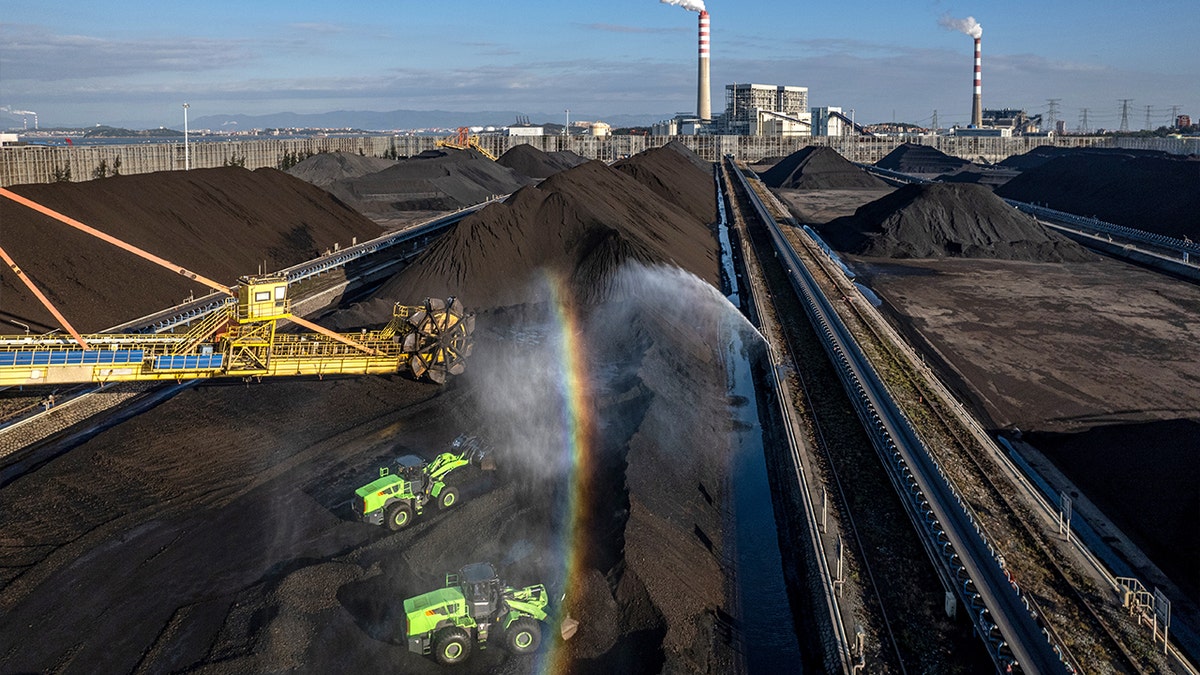
特朗普总统正试图通过指示国防部与能源采购协议,以促进美国煤炭发展。(文亚/盖蒂图片社)
国防部可以做的是指示其合同部门在可行的情况下与燃煤电厂达成协议。
军方通常会签订长期电力供应协议以维持单个军事设施的运转,包括内华达州内利斯空军基地和德克萨斯州卡瓦佐斯堡等基地的项目,这些基地的现场发电是通过第三方合同开发的。
理论上,如果官员们确定这些合同能增强电网可靠性、燃料安全或任务保障——这些都是该命令中列出的优先事项——军方可以与附近的煤炭设施达成协议。
“他们有很大的灵活性,”麦金说,指出能源采购决策将取决于各个军事设施的实际可行性。
然而,这种灵活性是按基地逐个实施的,而非全国范围内统一适用。
国防部不规范区域电力市场。它可以为特定军事设施签订电力合同,但无权制定电网运营商的调度规则或规定民用公用事业公司的燃料选择。
大多数军事基地都连接到区域电网,那里的电力来自天然气、核能、可再生能源和煤炭等多种来源,然后根据市场规则进行整合和调度。即使五角大楼与特定的煤炭电厂签订了合同,输送到基地的电力仍然来自更广泛的电网组合。
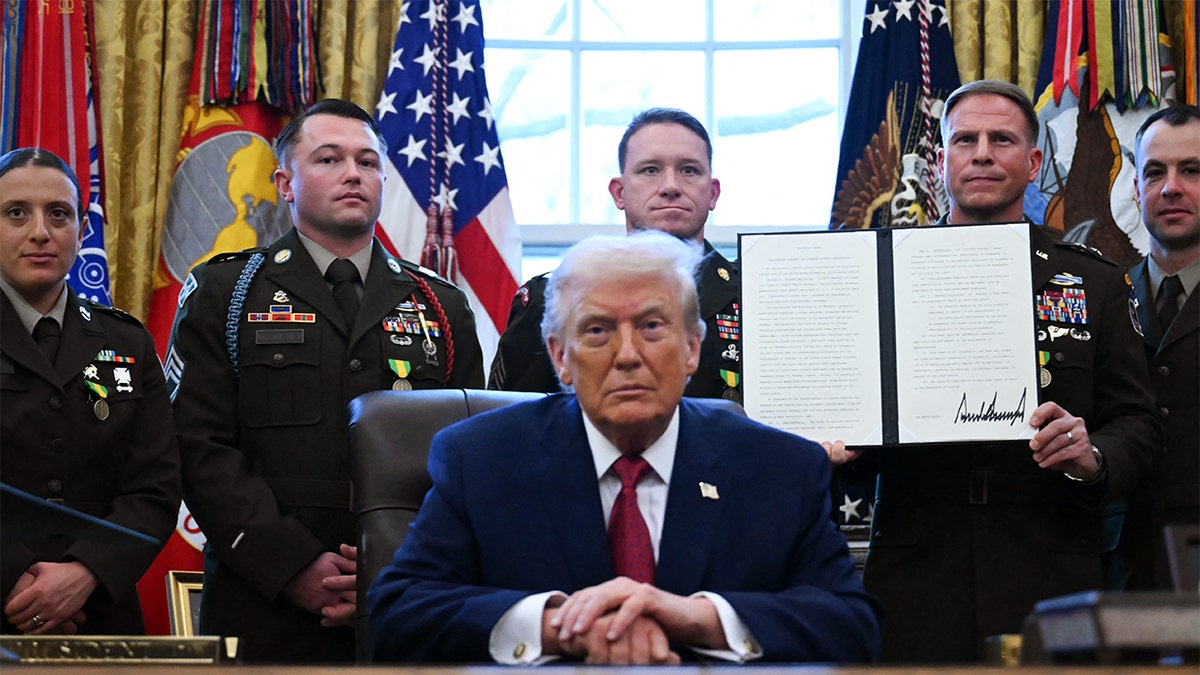
唐纳德·特朗普总统于2025年12月15日在华盛顿特区白宫签署行政命令。特朗普在2025年签署的行政命令数量超过了他第一个总统任期四年的总和。(安娜·莫尼梅克/盖蒂图片社)
实际上,此类协议主要发挥对特定设施的财务承诺作用,而非字面意义上的将煤炭发电重新路由到军事基地。
特朗普的能源主导重塑战略石油储备,拜登时期储备消耗后
规模是另一个限制因素。煤炭电厂是大型发电设施,通常发电量远超单个军事设施的需求。虽然军事基地用电量巨大,但要长期维持整个商业设施的运转,合同必须规模庞大且期限较长。
麦金表示,如果某些基地的能源采购来源需要基础设施改造或新的合同安排,可能需要国防部或能源部投入更多资金。
“这将是一个确定在哪里这样做有意义、在哪里可以轻松实现以及我们希望在哪里投资的过程,”他说。
任何显著扩大合同或基础设施支出的举措都可能需要国会的参与。
军事基地的公用事业成本通常通过国会批准的运营和维护账户支付。如果执行该政策需要新建工程、升级输电系统或提高长期能源成本,可能需要额外拨款。
据白宫情况说明书称,政府表示该指令旨在确保军事设施和关键国防设施获得不间断的按需基础负荷电力,其依据是煤炭能提供可再生能源无法提供的可靠和韧性能源。
该情况说明书还明确将这项政策与更广泛的能源安全、经济稳定和”能源主导”目标联系起来。
特朗普及其团队多次将这一举措描述为振兴煤炭生产和保护煤矿工人的更广泛努力的一部分——包括能源部为煤炭电厂升级提供的1.75亿美元资金,以及在签署仪式上使用的”美丽、清洁的煤炭”等言辞。在那次活动中,他表示军方将”大量购买煤炭”,并将这些行动描述为支持辛勤工作的矿工和”可靠电力”。
白宫正在推行一项平行战略,以复兴某些已关闭或面临退役的煤炭电厂。特朗普表示,能源部将向西弗吉尼亚州、俄亥俄州、北卡罗来纳州和肯塔基州的设施发放资金,以维持其运转或重启闲置机组。
重新启动煤炭电厂的难度因电厂状态而异。
暂时停运或”封存”的电厂可能在几个月内恢复运行。然而,完全退役的电厂可能需要大量设备维修、环境合规审查、重新雇佣工人以及输电准备升级——这一过程可能需要更长时间。
对于该指令将如何实施,白宫未立即回应置评请求。
五角大楼发言人表示,国防部打算根据现有权力推进。
“国防部完全支持总统通过可靠煤炭电力加强国防的行政命令,”五角大楼新闻秘书金斯利·威尔逊周五在一份声明中说。”在与能源部协调过程中,我们将优先考虑并寻求与燃煤设施签订长期电力购买协议,只要这些协议能增强电网可靠性、防止停电,并确保关键国防和情报行动的任务保障。”
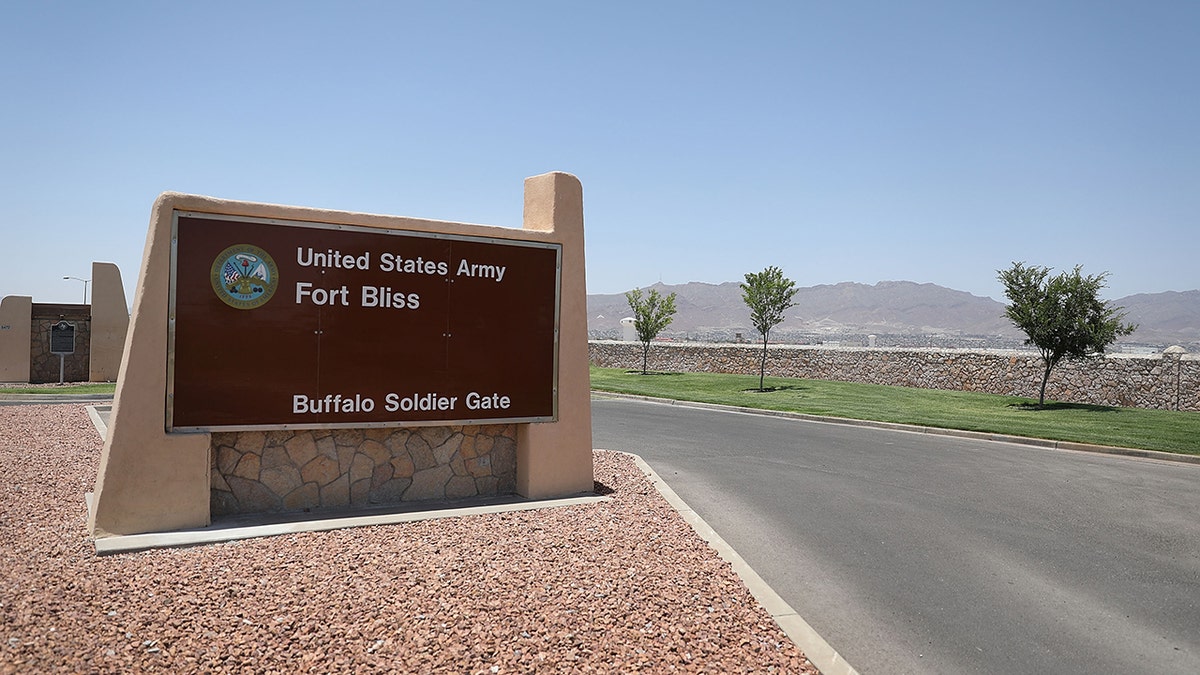
五角大楼发言人表示,国防部打算根据现有权力推进。(乔·雷德尔/盖蒂图片社)
点击此处下载福克斯新闻应用
最终,特朗普指令的影响将取决于执行情况。特定军事设施附近的定向合同可能会为某些电厂提供有限支持。
利用军方购买力维持多个商业煤炭电厂的更广泛努力,可能需要大量资金、精心设计的合同结构以及国会的支持。
President Donald Trump on Wednesday announced an executive order directing the Department of War to pursue new agreements with coal plants to ensure a “more reliable” electric grid. (Pool)
NEW You can now listen to Fox News articles!
Listen to this article
5 min
[](https://beyondwords.io/?utm_source=https%3A%2F%2Fwww.foxnews.com&utm_medium=player&utm_campaign=7893)
President Donald Trump says the military will start “buying a lot of coal” as part of a new push to boost domestic coal production and strengthen what he describes as the reliability of the U.S. power grid. Turning that pledge into reality, however, will require navigating Pentagon procurement rules, congressional funding limits and the physical constraints of the electric grid.
A new executive order, signed Wednesday, directs the secretary of war to “seek to procure” power from coal-fired facilities through long-term power purchase agreements serving military installations and other mission-critical facilities. It also calls on the Department of Energy to help keep certain coal plants online.
But executive orders set policy direction — they do not automatically create new funding or rewrite electricity market rules. The order itself states that implementation must be consistent with applicable law and “subject to the availability of appropriations.”
“Executive orders can’t drive appropriations,” said Jerry McGinn, a former Pentagon official and now executive director of the Baroni Center for Government Contracting at the Center for Strategic and International Studies.
LIZ PEEK: TRUMP WHITE HOUSE FIRED UP ABOUT KING COAL’S RETURN TO POWER
President Trump is looking to boost coal in the U.S. through directing the Department of War to enter into energy purchasing agreements.(Wen Ya/Getty Images)
What the War Department can do is direct its contracting offices to pursue agreements with coal-fired plants where feasible.
The military routinely enters into long-term electricity supply agreements to power individual installations, including projects at bases such as Nellis Air Force Base in Nevada and Fort Cavazos in Texas, where on-site generation has been developed through third-party contracts.
In theory, it could structure deals with nearby coal facilities if officials determine the contracts enhance grid reliability, fuel security or mission assurance — priorities outlined in the order.
“They have a great amount of flexibility,” McGinn said, noting that energy sourcing decisions would depend on what is workable at individual installations.
That flexibility, however, operates base by base — not nationwide.
The War Department does not regulate regional electricity markets. It can sign contracts for power serving specific installations, but it does not set dispatch rules for grid operators or dictate fuel choices for civilian utilities.
Most military bases are connected to regional grids, where electricity from multiple sources — natural gas, nuclear, renewables and coal — is pooled together and dispatched according to market rules. Even if the Pentagon signs a contract with a specific coal plant, the electricity physically delivered to a base would still come from the broader grid mix.
President Donald Trump signs an executive order at the White House on Dec. 15, 2025, in Washington, D.C. Trump has signed more executive orders in 2025 than he did in all four years of his first presidency, combined.((Anna Moneymaker/Getty Images)
In practice, such agreements would function primarily as financial commitments to particular facilities rather than a literal rerouting of coal-generated power.
TRUMP’S ENERGY DOMINANCE REWRITES THE STRATEGIC PETROLEUM RESERVE AFTER BIDEN DRAWDOWNS
Scale presents another constraint. Coal plants are large generators, often producing far more electricity than a single installation consumes. While military bases use significant power, contracts would need to be sizable and long term to meaningfully sustain entire commercial facilities.
If shifting energy sourcing at certain bases requires infrastructure changes or new contractual arrangements, that could require additional Defense or Energy Department investment, McGinn said.
“It would sort of be a determination on where does this make sense, where can we do this easily, and where do we want to invest,” he said.
Any significant expansion of contracts or infrastructure spending would likely involve Congress.
Utility costs for bases are typically paid through operations and maintenance accounts approved by lawmakers. If implementing the policy requires new construction, transmission upgrades or higher long-term energy costs, additional appropriations could be required.
The administration says the directive is meant to ensure uninterrupted, on-demand baseload power for military installations and critical defense facilities, grounded in the belief that coal provides reliable and resilient energy that intermittent sources do not, according to the White House fact sheet.
The fact sheet also explicitly ties the policy to broader aims of energy security, economic stability and “energy dominance.”
Trump and his team repeatedly have described the move as part of a broader push to revitalize coal production and protect coal jobs — including the $175 million in Department of Energy funding for coal plant upgrades and “beautiful, clean coal” rhetoric at the signing event. At that event, he said the military will be “buying a lot of coal” and framed the actions as support for hard-working miners and “reliable power.”
The White House is pursuing a parallel strategy to revive certain coal plants that have shut down or face retirement. Trump said the Department of Energy would issue funds to facilities in West Virginia, Ohio, North Carolina and Kentucky to keep them operating or restart idled units.
Recommissioning a coal plant can vary significantly depending on its status.
Facilities that have been temporarily idled or “mothballed” may be able to return to service in months. Fully retired plants, however, can require extensive equipment repairs, environmental compliance reviews, workforce rehiring and transmission readiness upgrades — a process that can take considerably longer.
The White House did not immediately respond to requests for comment on how the directive would be implemented.
A Pentagon spokesperson said the Department intends to move forward under existing authorities.
“The Department of War fully supports the President’s Executive Order to strengthen national defense through reliable coal power,” Pentagon press secretary Kingsley Wilson said in a Friday statement. “In coordination with the Department of Energy, we will prioritize and seek to procure long-term Power Purchase Agreements with coal-fired facilities where they enhance grid reliability, prevent blackouts, and ensure mission assurance for critical defense and intelligence operations.”
A Pentagon spokesperson said the Department intends to move forward under existing authorities.(Joe Raedle/Getty Images)
CLICK HERE TO DOWNLOAD THE FOX NEWS APP
Ultimately, the impact of Trump’s directive will depend on execution. Targeted contracts near specific installations could provide limited support to certain facilities.
A broader effort to use military purchasing power to sustain multiple commercial coal plants would likely require substantial funding, careful contract structuring and congressional backing.
发表回复